

Puget Sound Energy подала запрос на трехлетний тарифный план в Комиссию по коммунальным услугам и транспорту штата Вашингтон (UTC). В случае одобрения UTC новые тарифы вступят в силу в начале 2027
года.Этот тарифный план позволяет PSE продолжать поставлять безопасную и надежную энергию 1,7 миллионам потребителей, удовлетворять растущий спрос на энергию и продолжать двигаться к амбициозным целям штата Вашингтон в области чистой энергии.
Каков общий вариант тарифов?
Рассмотрение общих ставок — это официальный нормативный процесс, в ходе которого компания Puget Sound Energy обращается к UTC с просьбой скорректировать тарифы для клиентов, что обычно происходит каждые несколько лет. Комиссия проводит всесторонний независимый анализ затрат, инвестиций и операционной деятельности PSE, чтобы обеспечить клиентам справедливую оплату за безопасное и надежное энергоснабжение
.Почему PSE возбуждает дело об общей ставке?
Тарифный план отражает значительные капитальные вложения, которые PSE должна сделать для продолжения поставок безопасного и надежного природного газа и электроэнергии клиентам, обеспечения достаточных мощностей для удовлетворения растущего спроса на энергию и дальнейшего прогресса в удовлетворении потребностей штата Вашингтон в чистой энергии.
Обслуживание и модернизация критически важной инфраструктуры
- В течение следующих трех лет PSE необходимо инвестировать более 3,2 миллиарда долларов в свою газовую и электрическую систему.
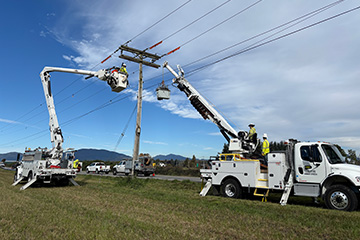
- Примерно 70% этих инвестиций направляются в электрическую систему, которая испытывает все большую нагрузку. Инвестиции в электрические системы направлены на обеспечение безопасности и надежности систем, удовлетворение растущего спроса клиентов и защиту инфраструктуры PSE от суровых погодных условий и рисков лесных пожаров .
- Оставшаяся часть этих инвестиций (около 30%) обеспечивает безопасность систем и поддерживает существующую инфраструктуру для почти 900 000 потребителей природного газа PSE.
Инвестиции в чистую энергию, генерирующие ресурсы для создания мощностей
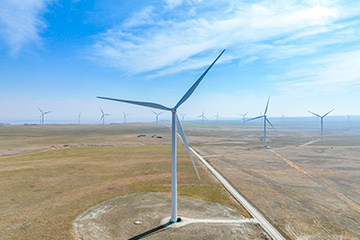
- Согласно законодательству штата, к 2030-2033 годам PSE должна выполнить важную задачу: обеспечить 80% электроэнергии из возобновляемых или неэмиссионных ресурсов. Тарифный план включает 11 новых проектов в области возобновляемых источников энергии в коммунальном секторе. Эти проекты по использованию энергии ветра, солнца и батарей, расположенные в основном в Вашингтоне и Монтане, помогают сократить этот разрыв, но не полностью соответствуют требованиям штата.
- В тарифный план включены федеральные налоговые льготы на сумму более 529 миллионов долларов, которые принесут прямую пользу клиентам за счет снижения затрат на проекты нового поколения. В связи с изменениями в федеральном налоговом законодательстве срок действия этих кредитов истекает, поэтому необходимо срочно завершить проекты. Кроме того, клиенты получат выгоду в размере 190 миллионов долларов в виде налоговых льгот на недавно построенную ветроэлектростанцию в Бивер-Крик .
- В заявке также указаны ресурсы мощности — аккумуляторы, газовые турбины и газогенераторы — для обеспечения надежного обслуживания в условиях отсутствия солнца и ветра, а также для удовлетворения растущего спроса потребителей на энергию.
- План капитальных вложений PSE на все ресурсы нового поколения, строящиеся для удовлетворения спроса потребителей и достижения целей в области чистой энергии, составляет более 3,6 миллиарда долларов. Возмещение этих проектных затрат будет растянуто на десятилетия .
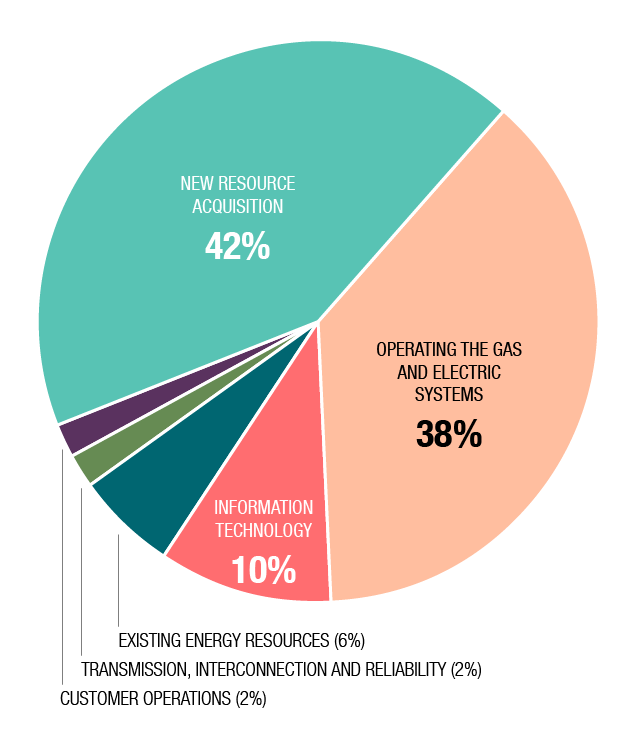
Капитальные вложения для обеспечения безопасной, надежной и экологически чистой энергии (2027-2029)
-
Узнайте больше
Приобретение новых ресурсов: капитальные затраты направлены на строительство новых ветряных и солнечных электростанций, аккумуляторов и генераторов природного газа для достижения целей Закона о преобразовании чистой энергии (CETA) и обеспечения надежного энергоснабжения по мере роста потребностей клиентов. Эти инвестиции крайне важны для выполнения компанией PSE требований по обеспечению электроэнергией без выбросов парниковых газов в течение первого четырехлетнего периода соответствия требованиям CETA, который начинается 1 января 2030 года, а также для обеспечения долгосрочной надежности и доступа потребителей к чистой энергии.Эксплуатация газовых и электрических систем: капитальные затраты включают модернизацию и модернизацию электрических и газовых систем, замену кабелей, модернизацию цепей, автоматизацию, модернизацию подстанций и замену устаревшей инфраструктуры. Эти проекты сокращают количество перебоев в подаче электроэнергии, сокращают время восстановления и повышают устойчивость сети к штормам и другим угрозам, обеспечивая клиентам ежедневное безопасное, надежное и высококачественное энергоснабжение .Информационные технологии: капитальные вложения направлены на устранение устаревших технологий и улучшение операционной деятельности PSE и поддержки клиентов. Эти проекты модернизируют и защищают системы, обеспечивающие операционную деятельность PSE и обслуживание клиентов, повышают кибербезопасность и совершенствуют инструменты цифрового рабочего места. Заменяя устаревшие технологии, PSE обеспечивает надежную работу своих систем, защиту данных и качественное обслуживание клиентов .Существующие энергетические ресурсы: капитальные затраты обеспечивают текущее техническое обслуживание, безопасность и надежность существующих генерирующих активов, включая гидро-, ветряные и тепловые электростанции. Проекты в этой области включают повышение безопасности плотин, регулярное техническое обслуживание для предотвращения отказов и соблюдение нормативных требований. Эти инвестиции помогают поддерживать надежное энергоснабжение, снижать эксплуатационные риски и обеспечивать потребителям преимущества надежной и все более экологически чистой энергии .Передача, объединение и надежность: капитальные затраты на поддержку долгосрочного планирования, объединения, отказоустойчивости и надежности PSE. Операции с клиентами: капитальные вложения способствуют стратегическим инвестициям в привлечение клиентов и возможности обслуживания, включая улучшение специализированной поддержки клиентов для малого и крупного бизнеса, развитие распределенных энергетических ресурсов (DER), таких как солнечная энергия, аккумуляторы и управляемая зарядка, а также обслуживание полюсов и многое другое. Эти инвестиции помогут компании улучшить обслуживание клиентов, выполнить нормативные обязательства и поддержать экономическое развитие сообществ, которые мы обслуживаем.
Каково влияние на клиентов?
Если запрос будет одобрен UTC, ежемесячный счет типичного потребителя электроэнергии в жилых помещениях, потребляющих 800 кВтч в месяц, с начала 2027 года увеличится примерно на 28 долларов, примерно на 7 долларов в 2028 году и почти на 16 долларов в 2029 году. Обычный потребитель природного газа, использующий 64 термы в месяц, столкнется с увеличением ежемесячного счета примерно на 14 долларов в начале 2027 года, примерно на 4 доллара в 2028 году и почти на 5 долларов в 2029 году
.Предлагаемые изменения в соответствии с графиком обслуживания:
Электрические
| 2027 | 2028 | 2029 | ||
|---|---|---|---|---|
| Расписание | RY1 | RY 2 | RY 3 | |
| Жилой | (307) (327) | 16,75% | 3,76% | 8,81% |
| SVC с шестью вольтами | 08 (24) | 13,69% | 3,64% | 8,46% |
| 6-вольтовый генератор с демпфическим корпусом SVC | 7А (11) (25) | 13,17% | 3,72% | 8,53% |
| Демо-холодильник с шестью вольтами | 12 (26) (26 л) | 13,82% | 3,96% | 8,94% |
| Ирригационные насосы и насосы с шестью вольтами Svc | 29 | 12,35% | 3,90% | 8,74% |
| Высоковольтный генератор SVC | 10 (31) | 11,93% | 3,86% | 8,73% |
| Высоковольтная ирригационная система и насосы Svc | 35 | Предлагаю закрыть | ||
| Промежуточный электрический ток | 43 | 13,64% | 4,01% | 9,15% |
| Высоковольтное внутреннее напряжение Svc | 46 | Предлагаю закрыть | ||
| Высоковольтное поколение Svc | 49 | 6,28% | 3,99% | 8,50% |
| Розничная торговля колесами | 448 - 459 | 4,73% | 0,00% | 0,00% |
| Специальные контракты | SC | -12,49% | -2,04% | -3,06% |
| Зональное и уличное освещение | 03, 50-59 | 32,11% | 3,53% | 9,07% |
| Электрификация транспорта | 558 | 31,56% | 3,48% | 8,93% |
Газ
| 2027 | 2028 | 2029 | ||
|---|---|---|---|---|
| Расписание | RY1 | RY 2 | RY 3 | |
| Жилой | 23,53 | 13,32% | 3,04% | 3,47% |
| Газовые светильники для жилых помещений | 16 | 13,64% | 4,00% | 4,73% |
| Коммерческая и промышленная | 31 | 16,84% | 3,62% | 4,13% |
| Большой объем | 41 | 10,71% | 2,57% | 2,95% |
| Прерываемый | 85 | 7,17% | 1,71% | 2,06% |
| Ограниченное количество прерывателей | 86 | 7,43% | 1,48% | 1,66% |
| Неэксклюзивный прерыватель | 87 | 6,56% | 1,81% | 1,68% |
| Коммерческий и промышленный транспорт | 31T | Предлагаю закрыть | ||
| Транспортировка больших объемов | 41 т | 22,69% | 3,53% | 3,97% |
| Бесперебойная транспортировка | 85T | 20,24% | 4,10% | 4,53% |
| Ограниченная перевозка прерывистых грузов | 86T | 15,36% | 5,37% | 4,85% |
| Неэксклюзивные прерывистые перевозки | 87T | 26,31% | 4,82% | 5,76% |
| Эксклюзивные прерывистые перевозки | 88T | 16,50% | -6,08% | 0,00% |
| Контракты | - | 5,17% | 13,52% | 15,52% |
Что делает PSE для снижения затрат?
Мы понимаем, что рост счетов ложится тяжелым бременем на семьи и местные предприятия и что наши клиенты рассчитывают на нас в предоставлении основных услуг. Мы относимся к этому серьезно и осознаем свою ответственность за максимальное снижение расходов.
Мы делаем это с помощью:
- Управление эксплуатационными расходами: PSE имеет более низкие эксплуатационные расходы на одного клиента по сравнению с коммунальными предприятиями того же региона и сопоставимого размера
- Распределение затрат на крупные капитальные проекты на десятилетия для снижения влияния на счета клиентов
- Участие в оптовых энергетических рынках для снижения затрат на электроэнергию
- Повышение энергоэффективности и программы, снижающие спрос на системы, компенсирующие необходимость приобретения электроэнергии для обслуживания наших клиентов, особенно в условиях резкого роста спроса и высоких цен
Кроме того, мы стремимся использовать налоговые льготы для снижения затрат. Тарифный план включает федеральные налоговые льготы в размере 529 миллионов долларов, которые принесут прямую пользу клиентам за счет снижения затрат на проекты нового поколения. В связи с изменениями в федеральном налоговом законодательстве срок действия этих кредитов истекает, поэтому необходимо срочно завершить проекты. Кроме того, клиенты получат выгоду в размере 190 миллионов долларов в виде налоговых льгот на недавно построенную ветроэлектростанцию в Бивер-Крик
.Мне трудно оплатить счет. Что я могу сделать?
Мы здесь, чтобы помочь. У нас есть программы, помогающие клиентам экономить деньги и энергию, а также помощь в выставлении счетов для клиентов, которые с трудом сводят концы с концами.
Узнайте больше и начните с сайта pse.com/gethelp.
Как узнать больше и принять участие?
Чтобы ознакомиться с полными документами по делу, посетите список дел 260005 и список дел 260006 на веб-сайте UTC. Комментарии можно отправить в UTC через форму общественного обсуждения.