


बिजली कैसे बहाल हो जाती है
-
क्षेत्र-व्यापी आउटेज
-
स्थानीय आउटेज
-
जंगल की आग का मौसम
क्षेत्र-व्यापी आउटेज
क्षेत्र-व्यापी आउटेज आमतौर पर मौसम की महत्वपूर्ण घटनाओं के कारण होते हैं। प्रशांत नॉर्थवेस्ट में, पतझड़ और सर्दियों की हवा और बर्फीले तूफानों के कारण क्षेत्र-व्यापी आउटेज की घटनाओं का होना सबसे आम बात है, लेकिन इसके अन्य कारण भूकंप, बाढ़, जंगल की आग या अन्य प्राकृतिक आपदाएं हो सकती हैं। आउटेज से कई
हज़ार से कई लाख ग्राहक प्रभावित हो सकते हैं।
आउटेज इवेंट की शुरुआत
क्षेत्रीय तूफान ठिकाने और हमारा आपातकालीन समन्वय केंद्र चालक दल और संसाधन समन्वय, प्रतिक्रिया रणनीति और आंतरिक और बाहरी संचार का समर्थन करने के लिए खुला है।

नुकसान का आकलन
जैसे ही स्थितियां अनुमति देती हैं और फ़ील्ड गतिविधियों को शुरू करना सुरक्षित होता है, हमारे नुकसान का आकलन करने वाले हमारे सेवा क्षेत्र में रिपोर्ट किए गए आउटेज स्थानों पर इन स्थानों पर जाते हैं:
- संभावित सुरक्षा खतरों को पहचानें (जैसे, डाउन पावर लाइनें)
- नुकसान की दृश्यता हासिल करें और गंभीरता का आकलन करें
ग्राहकों के लिए अनुमानित पुनर्स्थापना समय को विकसित करने में हमारी मदद करने के लिए नुकसान का आकलन भी एक महत्वपूर्ण कदम है। एक क्षेत्र-व्यापी आउटेज इवेंट में, नुकसान का आकलन पूरी तरह से पूरा होने में कई दिन लग सकते हैं
।
तूफान प्रतिक्रिया योजना की स्थापना
नुकसान का आकलन करने वालों की जानकारी का उपयोग तूफान के ठिकानों और आपातकालीन समन्वय केंद्र द्वारा आवश्यक संसाधनों, आउटेज बहाली प्राथमिकता और अन्य प्रतिक्रिया रणनीतियों को निर्धारित करने के लिए किया जाता है।

आउटेज बहाली प्राथमिकताकरण
- सबसे पहले, मरम्मत दल अस्पतालों, पानी/अपशिष्ट जल प्रणालियों और परिवहन जैसी आवश्यक सेवाओं के लिए बिजली बहाल करने पर ध्यान केंद्रित करते हैं। बिजली की बहाली की प्राथमिकता हाई-वोल्टेज ट्रांसमिशन लाइनों तक भी जाती है, जो व्यापक भौगोलिक क्षेत्र में बड़ी संख्या में ग्राहकों की सेवा करने वाले सबस्टेशनों को बिजली प्रदान करती हैं।
- इसके बाद, कर्मचारी वितरण और सेवा लाइनों को हुए नुकसान को ठीक करने पर ध्यान केंद्रित करते हैं — वे लाइनें जो सीधे घरों और व्यवसायों की सेवा करती हैं।
- आउटेज बहाली की प्राथमिकता लगातार विकसित हो रही है क्योंकि हम स्थिति की जानकारी हासिल कर रहे हैं और उभरते मुद्दों पर प्रतिक्रिया दे रहे हैं।

बहाली के प्रयास 24/7 जारी हैं
हमारे क्रू और आउटेज रिस्पांस कर्मी चौबीसों घंटे काम करते हैं, जब तक कि सभी ग्राहकों की बिजली बहाल नहीं हो जाती।
PSE कैसे अनुमान लगाता है कि मेरी शक्ति कब बहाल होगी?
प्रत्येक क्षेत्र-व्यापी आउटेज इवेंट अद्वितीय होता है, और पुनर्स्थापना का अनुमानित समय (ETRs) निम्नलिखित कारकों के आधार पर विकसित किया जाता है: अनुमानित आउटेज स्थानों की संख्या, क्षति की गंभीरता, संसाधन आवंटन, सक्रिय मौसम और पहुंच चुनौतियां। जैसे ही हमारी फ़ील्ड टीमें बूट-ऑन-द-ग्राउंड विज़िबिलिटी प्राप्त करती हैं, हम आउटेज मैप पर ETR जोड़ते और अपडेट करते हैं। कई बार, चल रहे सक्रिय मौसम के कारण सिस्टम को अधिक नुकसान हो सकता है, और ETR को अपडेट करने की आवश्यकता हो सकती है। ETRs के तीन सामान्य चरण होते हैं
:- ETR का निर्धारण किया जाना है (TBD): एक क्षेत्र-व्यापी आउटेज इवेंट के दौरान, हम आउटेज मैप में ETR को तब तक नहीं जोड़ते हैं जब तक कि क्षति का आकलन अच्छी तरह से नहीं चल रहा हो। ETRs स्थापित करने के लिए आवश्यक समय क्षेत्र की स्थितियों और घटना की गंभीरता के आधार पर भिन्न होता है। बड़ी आउटेज घटनाओं में, क्षेत्रीय स्थापित करने में 24-48 घंटे लग सकते हैं। ईटीआरएस।
- क्षेत्रीय ETR: वह तारीख/समय जिसकी हम अपेक्षा करते हैं कि किसी दिए गए क्षेत्र के अधिकांश ग्राहक अपनी बिजली बहाल कर लें। कई ग्राहकों को क्षेत्रीय ETR की तुलना में जल्द बहाल किया जाएगा; हो सकता है कि कुछ ग्राहक बाद में अपनी बिजली बहाल कर लें। हालांकि क्षेत्रीय ईटीआर व्यक्तिगत आउटेज के लिए विशिष्ट नहीं हैं, लेकिन वे पुनर्स्थापना के लिए सामान्य समय-सीमाएं हैं जो हमारे ग्राहकों को योजना बनाने में मदद करती हैं। हम बड़े पैमाने पर आउटेज इवेंट के पहले 24-48 घंटों के भीतर क्षेत्रीय ETR को साझा करने का प्रयास करते हैं।
- आउटेज-विशिष्ट ETR: आउटेज-विशिष्ट ETR — जो हमारे फील्ड कर्मियों द्वारा प्रदान किए जाते हैं — तब स्थापित किए जाते हैं जब हमारे पास पर्याप्त फ़ील्ड दृश्यता होती है और आपकी शक्ति को बहाल करने के लिए एक क्रू असाइन किया जाता है। कभी-कभी, मरम्मत के दौरान एकत्रित की गई अतिरिक्त जानकारी के आधार पर आउटेज-विशिष्ट ETR अपडेट किए जाते हैं.
हम समझते हैं कि ETR की जानकारी महत्वपूर्ण है ताकि हमारे ग्राहक योजना बना सकें। कृपया जान लें कि हम जितनी जल्दी हो सके सबसे सटीक जानकारी प्रदान करने के लिए काम करते हैं, और इस प्रक्रिया के माध्यम से आगे बढ़ते समय आपके धैर्य के लिए हम आपका धन्यवाद करते हैं.
स्थानीय आउटेज
स्थानीय आउटेज दिन-प्रतिदिन के आउटेज होते हैं जो क्षेत्र-व्यापी तूफान या आपातकालीन घटना के बाहर होते हैं। वे एक पेड़ के बिजली लाइन के संपर्क में आने, बिजली के उपकरण विफल होने या बिजली के खंभे से टकराने वाली कार का परिणाम हो सकते हैं।

प्रारंभिक ETR सेट
एक ग्राहक द्वारा आउटेज की रिपोर्ट करने के बाद, PSE की सिस्टम ऑपरेशंस टीम ऐतिहासिक आउटेज डेटा के आधार पर, पुनर्स्थापना का प्रारंभिक अनुमानित समय (ETR) प्रदान करती है, जो यह अनुमान लगाता है कि बिजली कब बहाल की जा सकती है।

वितरण स्वचालन के माध्यम से पुनर्स्थापना
PSE के सेवा क्षेत्र में कई स्थानों पर, वितरण स्वचालन (DA) के माध्यम से बिजली बहाल की जा सकती है - जिसे अक्सर “सेल्फ-हीलिंग ग्रिड” कहा जाता है। ” यदि डीए-सक्षम वितरण लाइन पर कोई आउटेज होता है, तो हम आउटेज के स्रोत को स्वचालित रूप से अलग कर सकते हैं और उन सभी ग्राहकों को तुरंत बिजली बहाल कर सकते हैं, जिन्हें पावर लाइन के क्षतिग्रस्त हिस्से द्वारा सीधे सेवा नहीं दी जाती है। इसका मतलब है कि हम आउटेज से प्रभावित ग्राहकों की संख्या को कम कर सकते हैं और बिजली को और तेज़ी से बहाल कर सकते हैं।
नुकसान का आकलन
PSE की इलेक्ट्रिक फर्स्ट रिस्पांस टीम क्षेत्र की स्थितियों का आकलन करने और दृश्य को विद्युत रूप से सुरक्षित बनाने के लिए आउटेज स्थान पर आती है। नुकसान के स्थान और गंभीरता के आधार पर, पहले उत्तरदाता कुछ या सभी शेष ग्राहकों को बिजली बहाल कर सकते हैं।

क्रू को सौंपा गया
यदि हमारे पहले उत्तरदाता अतिरिक्त मरम्मत की आवश्यकता की पहचान करते हैं, तो मरम्मत करने के लिए हमारे सर्विस पार्टनर पोटेल्को, इंक. के एक इलेक्ट्रिक क्रू को नियुक्त किया जाता है। वे एक पोल को बदल देंगे, बिजली के तार को फिर से स्ट्रिंग करेंगे, या क्षतिग्रस्त ट्रांसफॉर्मर को बदल देंगे।

ETR अपडेट
क्षेत्र की स्थितियों और क्षति की गंभीरता के आधार पर अधिक जानकारी उपलब्ध होने पर पुनर्स्थापना का अनुमानित समय (ETR) जानकारी अपडेट की जाती है।
PSE कैसे अनुमान लगाता है कि मेरी शक्ति कब बहाल होगी?
जब एक विशिष्ट “नीले आकाश” दिन पर एक आउटेज होता है, तो पुनर्स्थापना का अनुमानित समय (ETR), यह अनुमान लगाता है कि बिजली कब बहाल की जा सकती है, ऐतिहासिक आउटेज डेटा के आधार पर स्वचालित रूप से प्रदान किया जाता है।
जैसे ही हमारी फील्ड टीमें क्षेत्र में नुकसान का आकलन करती हैं, हम क्षेत्र की स्थितियों और क्षति की गंभीरता के आधार पर ETR को अपडेट करते हैं। एक आउटेज जिसके लिए हमें लाइन से एक पेड़ की शाखा को हटाने की आवश्यकता होती है, उसे बहाल करने में 30 मिनट लग सकते हैं, जबकि एक आउटेज जिसके लिए पोल को बदलने की आवश्यकता होती है, मरम्मत दल के साइट पर होने के बाद उसे बहाल करने में 4-6 घंटे लग सकते हैं। आउटेज मैप पर आप जो ETR देखते हैं, वह उस समय आपके विशिष्ट आउटेज के लिए हमारा सबसे अच्छा अनुमान है, और जब तक बिजली बहाल नहीं हो जाती तब तक हम आवश्यकतानुसार ETR अपडेट प्रदान करेंगे।
हम समझते हैं कि ETR जानकारी महत्वपूर्ण है ताकि हमारे ग्राहक योजना बना सकें। कृपया जान लें कि हम जितनी जल्दी हो सके सबसे सटीक जानकारी प्रदान करने के लिए काम करते हैं, और इस प्रक्रिया में आगे बढ़ने के दौरान आपके धैर्य के लिए हम आपका धन्यवाद करते हैं।
जंगल की आग के मौसम में अपने ग्राहकों और समुदायों को सुरक्षित रखना हमारी पहली प्राथमिकता है। यही कारण है कि PSE गर्मियों में जंगल की आग को रोकने में मदद करने के लिए इलेक्ट्रिक सिस्टम को अधिक रूढ़िवादी तरीके से संचालित कर सकता
है।PSE के जंगल की आग से सुरक्षित संचालन के बारे में और जानें, जिसमें एन्हांस्ड पॉवरलाइन सेटिंग्स (EPS) और पब्लिक सेफ्टी पॉवर शटऑफ़ (PSPS) शामिल हैं.
निरीक्षण
एक बार मौसम की स्थिति में सुधार होने पर, हमारे क्रू सुरक्षित रूप से बिजली बहाल करने से पहले किसी भी खतरे की पहचान करने और उनका समाधान करने के लिए सभी विद्युत लाइनों का निरीक्षण करते हैं। इस महत्वपूर्ण सुरक्षा कदम (और प्रभावित क्षेत्र के आकार और क्षति के स्तर के आधार पर) की वजह से, बहाली में कई घंटे या कई दिन लग सकते हैं
।PSE जितनी जल्दी हो सके बिजली को सुरक्षित रूप से बहाल करने के लिए काम करेगा, लेकिन सीमित पहुंच या दृश्यता या आस-पास सक्रिय आग लगने पर चुनौतियां हो सकती हैं।
बहाली के चरण
मौसम “सब साफ”: मौसम बीतने के बाद और ऐसा करना सुरक्षित होने के बाद, चालक दल लाइन पर गश्त और निरीक्षण शुरू करते हैं।
गश्त और निरीक्षण: चालक दल लाइनों, पोल और अन्य उपकरणों को मौसम से संबंधित संभावित नुकसान के लिए नेत्रहीन रूप से निरीक्षण करते हैं।
क्षति को अलग करें और मरम्मत करें: जहां उपकरण क्षति पाई जाती है, चालक दल क्षतिग्रस्त क्षेत्रों को बाकी सिस्टम से अलग करने और क्षतिग्रस्त उपकरण द्वारा सेवा नहीं दिए गए किसी भी ग्राहक को बहाल करने के लिए काम करते हैं। फिर चालक दल आवश्यक मरम्मत करेंगे।
बिजली बहाल करें: एक बार मरम्मत हो जाने और ऐसा करना सुरक्षित होने के बाद, PSE ग्राहकों को बिजली बहाल करेगा।
बहाली का अनुमानित समय (ETRs)
जैसे ही हमारी फ़ील्ड टीमें बूट-ऑन-द-ग्राउंड विज़िबिलिटी प्राप्त करती हैं, हम आउटेज मैप पर ETR जोड़ेंगे और अपडेट करेंगे।
सार्वजनिक सुरक्षा पावर शटऑफ़ के दौरान, हम प्रभावित ग्राहकों को प्रतिदिन दो बार अपडेट भी प्रदान करेंगे और हमारे अलर्ट और एडवाइज़री पेज पर जानकारी साझा करेंगे.
आउटेज बहाली के बारे में अक्सर पूछे जाने वाले प्रश्न
मेरे पड़ोसी के पास शक्ति क्यों है लेकिन मेरे पास नहीं है?
आउटेज के दौरान, पड़ोस के एक हिस्से में रोशनी हो सकती है जबकि दूसरा बिना बिजली के रहता है। क्योंकि हमारा इलेक्ट्रिक सिस्टम सेक्शन या सर्किट में काम करता है, इसलिए एक सर्किट में पावर हो सकती है जबकि दूसरे में नहीं।
इसके अतिरिक्त, PSE चालक दल एक सर्किट पर क्षतिग्रस्त क्षेत्रों के आसपास बिजली को फिर से रूट कर सकते हैं, जिससे मरम्मत की आवश्यकता वाले अनुभाग को अलग कर दिया जा सकता है। इस उदाहरण में, सर्किट द्वारा सेवा देने वाले कुछ ग्राहकों के पास शक्ति हो सकती है जबकि अन्य के पास नहीं हो सकती है।
आपको अपनी सर्विस लाइन को भी नुकसान हो सकता है - वह तार जो आपके घर से पड़ोस के वितरण सर्किट तक चलता है।
मुझे अपने क्षेत्र में कोई भी क्रू नहीं दिख रहा है। वे कहां हैं?
क्रू सबसे अधिक संभावना है कि पास की किसी अन्य साइट पर मरम्मत पर काम कर रहे हैं। यदि व्यापक क्षति होती है, तो इलेक्ट्रिक सिस्टम पर कई क्षेत्र हो सकते हैं जहां आपके क्षेत्र में बिजली बहाल होने से पहले उपकरण की मरम्मत या प्रतिस्थापन की आवश्यकता होती है।
एक दल मेरे पड़ोस में क्यों आया और बिजली बहाल किए बिना क्यों चला गया?
आप अपने पड़ोस में क्षेत्र के कर्मियों को हमारे इलेक्ट्रिक कर्मचारियों के लिए पुनर्स्थापना कार्य पूरा करने के लिए साइट तैयार करते हुए देख सकते हैं। मरम्मत करने से पहले, क्षति निर्धारक टीमें नुकसान के स्रोत का पता लगाती हैं और मरम्मत करने के लिए आवश्यक उपकरणों की पहचान करती हैं। इसके अतिरिक्त, ट्री क्रू को पेड़ों या वनस्पतियों को रास्ते से हटाने की आवश्यकता हो सकती है ताकि हमारे इलेक्ट्रिक क्रू मरम्मत स्थानों तक पहुंच सकें। अंतिम चरण हमारे इलेक्ट्रिक क्रू के लिए मरम्मत पूरी करना और बिजली बहाल करना है।
अगर मुझे जमीन पर बिजली की लाइन दिखाई दे तो मुझे क्या करना चाहिए?
मान लें कि सभी डाउन यूटिलिटी वायर सक्रिय हैं और जितना हो सके दूर रहें। यदि आपको एक गिरा हुआ तार दिखाई देता है, तो 911 या PSE को 1-888-225-5773 पर कॉल करें। योग्य इलेक्ट्रिकल यूटिलिटी पेशेवरों और आपातकालीन कर्मियों के लिए सब कुछ छोड़ दें।
डाउन पावर लाइनों पर ड्राइव न करें। वे आपके वाहन से उलझ सकते हैं और आगे नुकसान पहुंचा सकते हैं। अगर गाड़ी चलाते समय आपकी कार पर बिजली की लाइन गिरती है, तो अपनी कार में रहें! अपनी कार से तब तक बाहर निकलने का प्रयास न करें जब तक कि एक योग्य इलेक्ट्रिकल यूटिलिटी पेशेवर द्वारा लाइनों को डी-एनर्जेट किए जाने की पुष्टि न हो जाए।
पावर आउटेज के दौरान मैं कैसे सुरक्षित रहूं?
-
घर के
- अंदर खाना बनाने के लिए चारकोल या गैस ग्रिल का इस्तेमाल न करें। हीटिंग के लिए कभी भी प्राकृतिक गैस रेंज या इनडोर हीटिंग स्रोत के रूप में चारकोल का उपयोग न करें। इससे जहरीली कार्बन मोनोऑक्साइड गैस का निर्माण हो सकता है।
- यदि आप पोर्टेबल होम जनरेटर का उपयोग करना चुनते हैं, तो जनरेटर के सुरक्षित संचालन के लिए निर्माता के निर्देशों को पढ़ें। कार्बन मोनोऑक्साइड के निर्माण से बचने के लिए जनरेटर को घर के अंदर या बंद जगहों पर न चलाएं।
- यदि आप पोर्टेबल हीटर का उपयोग कर रहे हैं, तो उन्हें फर्नीचर, ड्रैपरियों और अन्य ज्वलनशील पदार्थों से दूर रखें।
- हमेशा मोमबत्तियों की जगह फ्लैशलाइट का इस्तेमाल करें।
पावर आउटेज के दौरान मैं अपने फ्रिज और फ्रीजर में खाना कैसे ठंडा रख सकता हूं?
- फ्रीजर और रेफ्रिजरेटर के दरवाजे बंद रखें; आवश्यक होने पर ही उन्हें खोलें। यदि आप दरवाजा बंद रखते हैं तो पूरी तरह से भरे हुए फ्रीजर में खाना 36 - 48 घंटे तक जम जाएगा। एक आधा भरा फ्रीजर आम तौर पर भोजन को 24 घंटे तक जमे हुए रखेगा।
- यूएसडीए की वेबसाइट पर जाएं और आपातकाल के दौरान भोजन को सुरक्षित रखने के बारे में पढ़ें।
यह वीडियो बताता है कि हम पावर आउटेज को कैसे बहाल करते हैं।
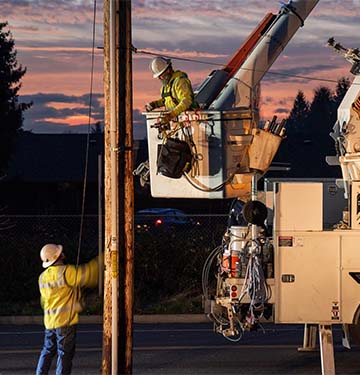
सुमनेर, वाश में आउटेज की बहाली।