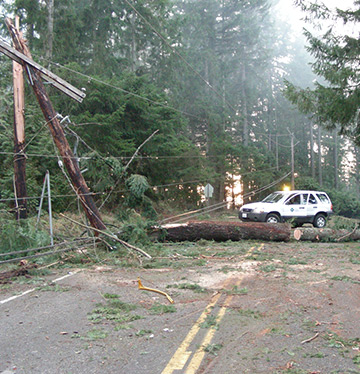
Wind and rain are expected Wednesday as an unseasonably strong weather system moves through the region. With trees and vegetation still fully leafed out, winds may bring branches and trees into power lines, potentially causing numerous outages.

We understand how difficult it is to be without power. We have brought in additional staffing and teams are ready to respond. Crews will remain in the field to assess damage and restore power as long as it is safe. If your power goes out, we'll work around the clock to restore it as quickly and safely as possible.

This storm may catch some people by surprise given the time of year. As we get ready, we encourage our customers to do the same:

  • Charge cell phones and other essential devices.
  • Make sure you have emergency supplies at home and in your vehicle, including flashlights, extra batteries, food, water and blankets.
  • Have a battery-powered radio ready to go.
  • Download the PSE mobile outage app to track and report outages or visit pse.com/outagemap.    
  • Find more preparedness tips at pse.com/storm.

alert 

Safety first:

  • Never touch or go within 35 feet of downed power lines because they might be energized.
  • Call PSE at 1-888-225-5773 or 911 to report problems.
  • If you’re using portable heaters, keep them away from furniture, draperies and other flammable materials.
  • Always use flashlights instead of candles.
  • Be aware of the dangers of carbon monoxide poisoning: Never install or use a generator indoors or in enclosed or partially enclosed areas, even those that are ventilated.

Storm safety

Rain and strong winds are a regular part of living in Western Washington.Will you be ready when the next big storm hits? We hope you’ll use the tips below to make sure you and your family are prepared.

Before

  • Keep your emergency kits handy.
  • Learn what to do if there is an outage.
  • Unplug sensitive electronic equipment such as computers.
  • Know which natural gas appliances will continue to operate if there is an outage:
    • Natural gas water heaters
    • Gas log fireplaces
    • Gas ovens and ranges. If it uses electric ignition, have matches nearby to light the flame.
    • Natural gas barbeques. Remember: never bring a portable grill indoors.
  • If you’re using a generator, follow the manufacturer’s instructions. See safety tips about portable generators.

If you live in a flood zone, check out our flood safety tips.


During

  • Keep track of the storm as it develops.
  • If there is an outage:
    • Turn off lights and appliances.
    • Leave one light switch on so you'll know when your power is restored.
    • Use flashlights instead of candles.
    • Keep your freezer and refrigerator doors closed; open them only when it is necessary.
    • Never use a gas range, indoor cooker, charcoal or gas barbeque for heating.
    • Close curtains and drapes to keep the heat in.
    • Wear warm clothes in layers.
    • If the indoor temperature drops to 55 degrees or below, open your faucets so there is a constant drip to prevent pipes from freezing.