


Tree planting
We're committed to providing safe and reliable service to our customers while taking a responsible approach to protecting and restoring the natural environment.
When we need to remove tall-growing species under power lines and hazardous trees that could fall and damage electrical equipment, we balance it with a mitigation program. We partner with local, state and federal agencies to identify potential mitigation sites that are currently degraded and could benefit from additional vegetation. Our goal is to convert these critical areas into thriving ecosystems.
Planting tree and shrub species native to western Washington provides shade for salmon habitats, perches for birds, woody debris for amphibians and foraging material for mammals.
If you’re looking to add trees or shrubs on your property, selecting the right plants can help prevent outages or other hazards in the future. Our Energy Landscaping brochure provides detailed information about planting near our overhead and underground infrastructure and includes recommendations for the best types of trees and shrubs to plant in these areas. If you have recently received plants from PSE, our Plant Care Guide answers common questions you may have about the care of your new plants.
To learn more about ways to lower your energy bills or for resources on smart landscaping, visit Energy-efficient Landscaping.
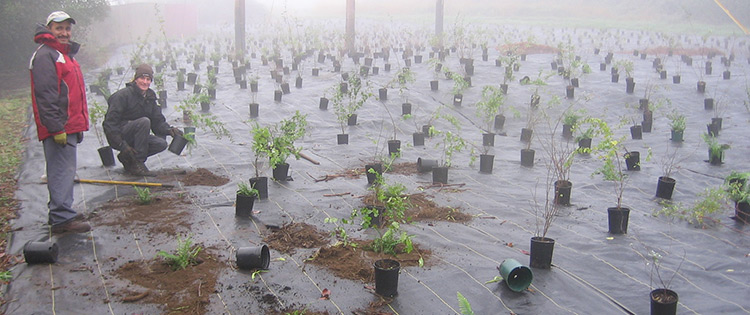
At a mitigation site on private property, we removed more than 200 at-risk trees and installed more than 500 new plants.
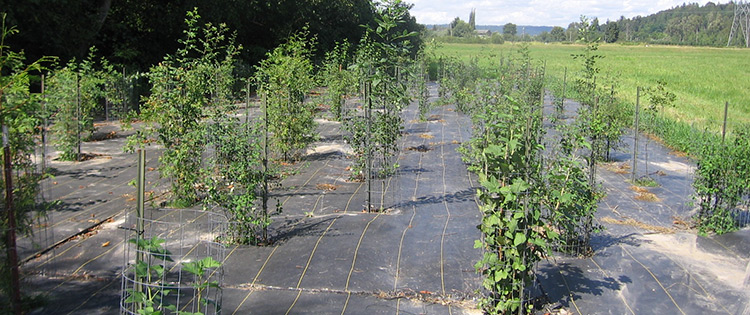
On the edge of a wetland buffer, we planted western red cedar, Sitka spruce, Oregon ash, black hawthorne, snowberry, Pacific ninebark, Nootka rose and red flowering current. We also caged the plants to protect them from a coyote mother and pups who had made their home in the adjacent forest.