


Peak Time Savings energy saving tips
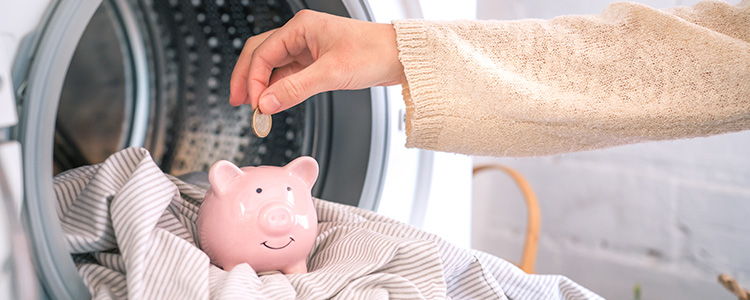
Maximize your energy savings and bill credits
- Minimize appliance use: Delay using large appliances like your laundry machines, dishwasher, and oven until after the Peak Time Savings period is over.
- Upgrade to a smart thermostat: Consider upgrading to a smart thermostat for greater control over your home’s temperature and less hassle. To get an instant discount of at least $75 on a smart thermostat, visit PSE.com/Marketplace.
- Turn off lights: Turning off lights in unoccupied areas is a quick and effective way to reduce your energy use. Upgrading to smart lightbulbs allows you to turn off lights using a mobile device, and installing motion sensors can make things easier, too.
- Turn off your ice maker: If you have an ice maker in your refrigerator or freezer, turn it off during Peak Time Savings periods. Ice makers have an internal heater that keeps their motor operational in freezing temperatures, so they use more energy than you might think.
- Unplug electronics: Identify appliances and devices that can be unplugged for a few hours, such as your game console, microwave, or printer. Plugging a group of related devices into a smart power strip allows you to turn them off all at once. You can also use a plug-in power meter to compare the exact wattage of your electronics.
- Enjoy unplugged activities: Instead of watching TV or using electronics that need to be plugged in, read a book, play a board game, or spend quality time with your household.
- Charge electronic devices before and after Peak Time Savings periods: Make sure cell phones, tablets, and laptops are fully changed before a Peak Time Savings period starts and recharge when it’s over.
- Wash laundry with cold water: If you need to wash clothes during a Peak Time Savings period, use cold water, if possible. About 90% of the energy consumed for washing clothes is used to heat the water.
- Only run full loads of laundry: If you need to wash clothes during a Peak Time Savings period, only run full loads. Most load sizes use about the same amount of energy, so running fewer, larger loads helps save energy.
- Avoid using your oven: Electric ovens use more electricity than any other cooking appliance, so avoid using your oven during a Peak Time Savings period. For re-heating food, use a microwave or toaster oven.
- Avoid using your dishwasher: Try to avoid washing your dishes by hand as an alternative, since you’d still be using a significant amount of energy by using warm water. Or, plan to run a load before or after a Peak Time Savings period.
- Unplug your second refrigerator: If you have a second fridge, remove necessary items ahead of the Peak Time Savings period and then unplug it. It can stay cold for about 4 hours if it remains unopened.
- Adjust your hot tub’s heater: Set your hot tub to heat between 11 p.m. and 7 a.m. A good cover will keep the heat inside your hot tub long enough for your to enjoy it all day and evening, without needing much more energy.
Keep reading for cold and hot weather tips!
-
Cold weather saving tips
- Lower your thermostat temperature: Turn your set point 3-4° lower to save energy. Most people find they can remain comfortable at slightly lower temperatures, especially with some warm air saved up.
- Let in natural light: Take advantage of winter sunlight by opening your shades or blinds. Doing so can create natural heat. (Remember to also lower your thermostat by a few degrees.)
- Only heat occupied rooms: If you have a heating system that allows you to heat specific rooms or zones (e.g. baseboard heaters), lower the temperature in rooms that aren’t being used during Peak Time Savings periods. You may be able to automate this using a smart thermostat with occupancy sensors.
- Drop the temperature while away: We recommend saving energy by lower you thermostat by 3-4° while home during Peak Time Savings period. So try lowering it by at least 10° if you’re not going to be home. If you have a smart or programmable thermostat, you can schedule a temperature increase for when you return.
-
Hot weather saving tips
- Raise your thermostat temperature: Decreasing your use of air conditioning (if you have it) is the most effective way to save energy. Most people find they can raise the temperature 3-4° and stay comfortable by closing shades and using fans.
- Opt for a fan instead of AC: If you have air conditioning, try switching it off and staying close to a fan.
- Block sunlight and let in the breeze: Sunlight passing through windows can heat up your home and make your air conditioner work harder. Try closing curtains and blinds to block sunlight and create air corridors by opening doors or windows on opposite sides of your living space.
- Cool down outside: Did you know that trees actually lower the air temperature? Head to your nearest park to enjoy this natural cooling effect. You can also try going to a nearby body of water. If you have AC, don’t forget to switch it off or turn up your thermostat before you leave the house.
- Save up cool air before a Peak Time Savings period: If you’ll be home during a Peak Time Savings period, precool your home beforehand. Turn on the air conditioning in the morning (before 7 a.m.), then turn it off before the Peak Time Savings period and enjoy the cool air you have stored up.
- Schedule your pool pump: If you have a pool, the pump probably uses more energy than most other devices and appliances in your home. If your pump has a timer, program it to run outside of Peak Time Savings periods. You can also manually turn off your pool pump and turn it back on after a Peak Time Savings period.